

A Comparison of uPVC, Timber, and Aluminium
Windows are more than just openings in your walls; they’re a crucial element of any building, influencing energy efficiency, aesthetics, and overall comfort. But with so many options available, how do you decide which material is right for your project? In the UK, the three most common choices are uPVC, timber, and aluminium, each with its own set of advantages and disadvantages.
This guide will walk you through the key considerations for each material, helping you make an informed decision based on your budget, style preferences, and practical needs.

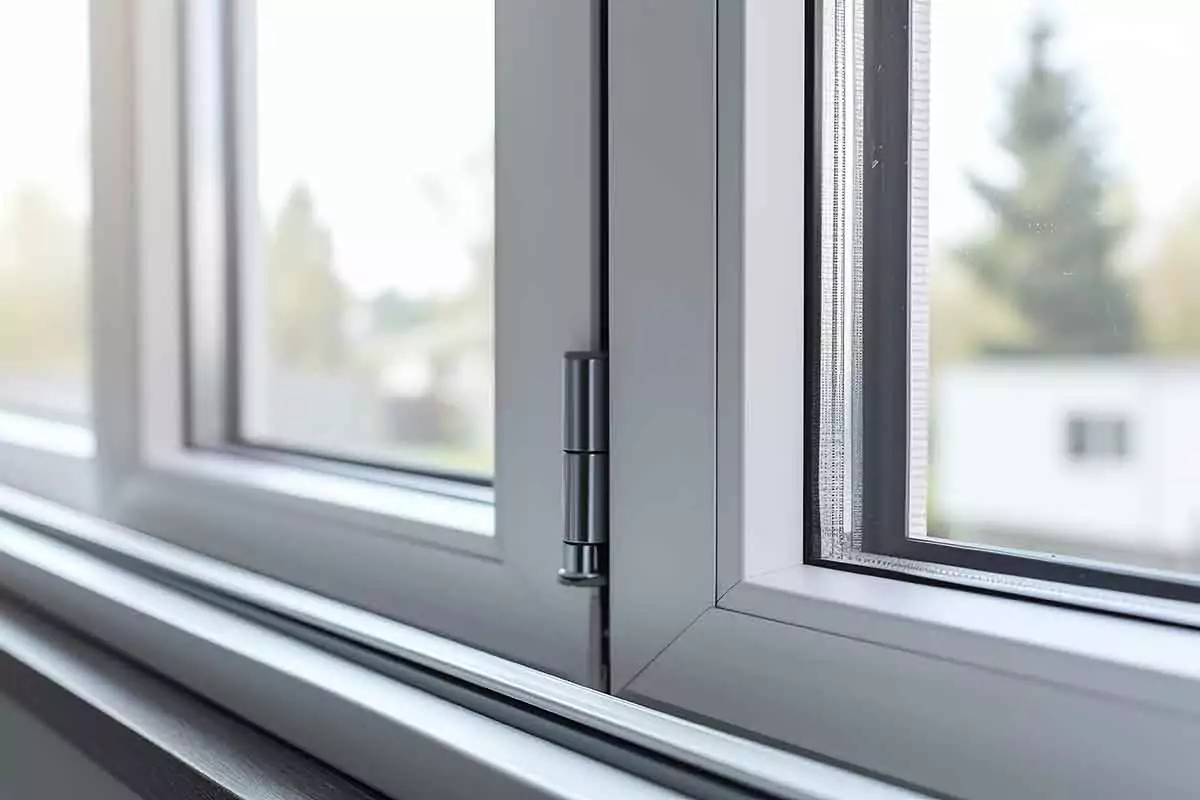
1. uPVC Windows
uPVC (unplasticised polyvinyl chloride) is a popular choice for windows due to its affordability and low maintenance requirements.
Pros:
- Cost-effective: uPVC is generally the most budget-friendly option, making it attractive for larger projects or those with tighter financial constraints.
- Low maintenance: uPVC frames don’t require painting or sealing, and they’re easy to clean, making them a hassle-free choice.
- Good insulation: Modern uPVC windows offer decent thermal insulation, helping to reduce energy costs.
Cons:
- Less durable: uPVC is not as durable as timber or aluminium and can warp or discolour over time, especially when exposed to extreme weather conditions.
- Less sustainable: uPVC is made from plastic, which is not easily recyclable and contributes to environmental concerns.
- Limited design options: uPVC frames are often bulky and lack the design flexibility of timber or aluminium, limiting aesthetic choices.
Best for: uPVC windows are a practical choice for budget-conscious projects where low maintenance is a priority and design isn’t a primary concern.

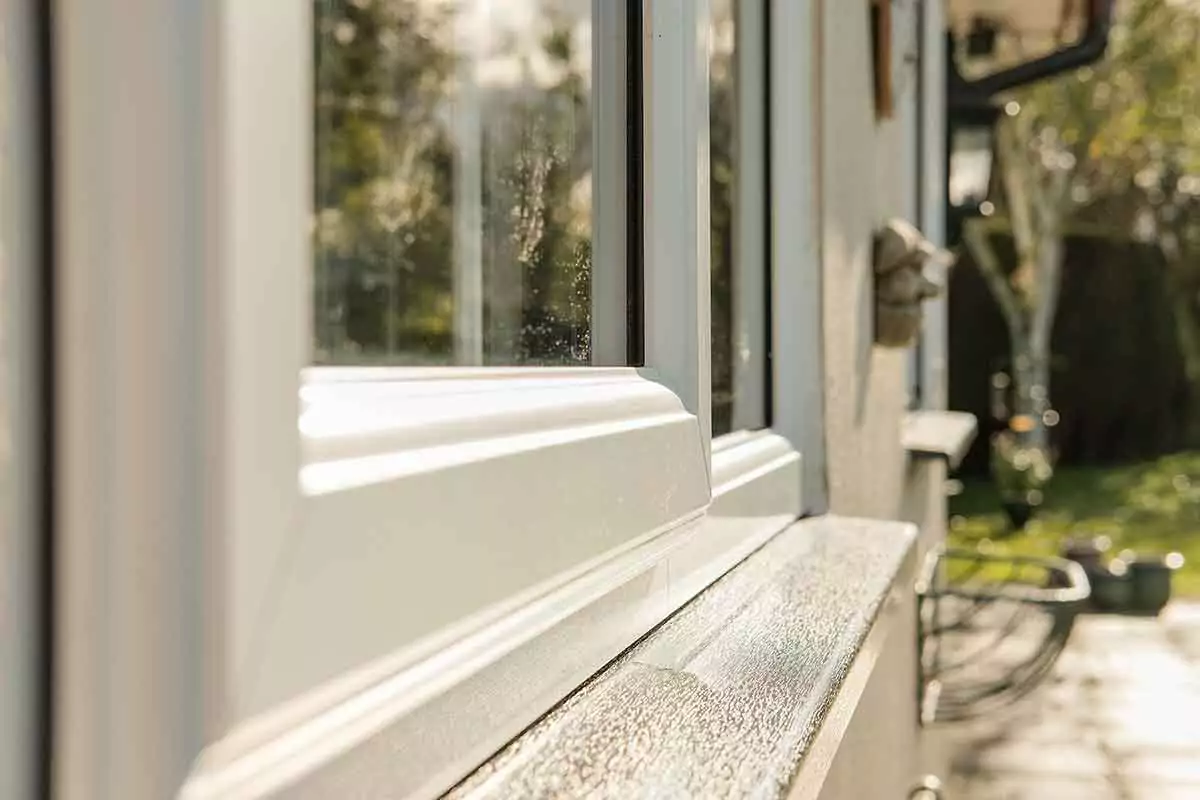
2. Timber Windows
Timber windows have a timeless appeal and offer a classic aesthetic that many homeowners and businesses value.
Pros:
- Classic aesthetic appeal: Timber windows have a warm, natural look that complements various architectural styles.
- Durable and long-lasting: With proper maintenance, timber windows can last for decades, even centuries.
- Sustainable and environmentally friendly: Timber is a renewable resource, making it a more eco-conscious choice.
Excellent insulation properties: Timber provides natural insulation, contributing to energy efficiency and a comfortable indoor environment.
Cons:
- More expensive: Timber windows are generally more expensive than uPVC, both in terms of initial cost and ongoing maintenance.
- Require regular maintenance: To keep them looking their best and prevent rot or insect damage, timber windows need to be painted or sealed every few years.
- Susceptible to damage: Without proper maintenance, timber can be vulnerable to rot, warping, and insect infestation.
choices.
Best for: Timber windows are ideal for projects where aesthetics and sustainability are priorities and where the budget allows for a higher initial investment and ongoing maintenance. They are also a great choice for heritage properties or buildings with a traditional style.


3. Aluminium Windows
Aluminium windows have gained popularity in recent years due to their durability, modern aesthetics, and slim profiles.
Pros:
- Strong and durable: Aluminium is incredibly strong and resistant to weathering, corrosion, and warping, making it a long-lasting option.
- Modern, sleek appearance: Aluminium frames offer a clean, contemporary look that complements modern architecture.
- Slim frames: The slim profiles of aluminium windows allow for larger glass areas, maximising natural light.
- Low maintenance: Aluminium windows require minimal upkeep, typically just cleaning with soap and water.
- Sustainable and recyclable: Aluminium is a highly recyclable material, making it a more environmentally friendly choice than uPVC.
Cons:
- More expensive: Aluminium windows are usually more expensive than uPVC.
- Can be less thermally efficient: While modern aluminium windows with thermal breaks offer good insulation, they can be less efficient than timber or some high-performance uPVC options.
Best for: Aluminium windows are well-suited for modern buildings and projects where durability, a contemporary look, and low maintenance are key considerations.
4. Making The Right Choice
Choosing the right window material depends on your specific needs and priorities. Consider the following factors:
- Budget: uPVC is the most affordable option, while timber and aluminium are generally more expensive.
- Aesthetics: Timber offers a classic, natural look, while aluminium has a modern, sleek aesthetic. uPVC is often less aesthetically versatile.
- Maintenance: uPVC requires minimal maintenance, while timber needs regular care. Aluminium falls in between.
- Sustainability: Timber and aluminium are more sustainable options than uPVC.
- Project needs: Consider factors like thermal efficiency, security, and sound insulation based on your specific requirements.
No matter your priorities, it’s crucial to work with a reputable supplier and installer who can guide you through the selection process and ensure proper installation. At A&H Hargreaves, we have decades of experience working with all three window materials and can help you choose the perfect solution for your project.
Contact A&H Hargreaves Today
Whether you’re renovating a school, a commercial building, or your home, the right windows can make a significant difference. Contact A&H Hargreaves for a free consultation and let our expert team help you choose the windows that best meet your needs and budget.